
Panel Presentation
Moderator: Charles Kelley, AIA
Chandra Robinson, AIA, Founder - chromatografica
John Wasiutynski - Chief Sustainability Officer Multnomah Co.
Jonna Papaefthimiou - State Resilience Officer
Carly Harrison - VP of Real Estate at Albina Vision Trust
Location: Broadway II
1 AIA LU|HSW
We focus heavily on investments in resilient buildings and infrastructure, yet post-disaster outcomes are shaped more by people than projects. This interactive, cross-sector panel challenges the profession to rethink resilience through community stewardship. Drawing on earthquakes, wildfires, and climate-driven hazard scenarios, panelists will debate why social cohesion often outperforms physical systems in survival and recovery.
The session will confront economic, political, and cultural barriers that delay resilience action while urgent needs dominate. Participants will engage directly with panelists to explore how architects can design not just buildings, but the relationships and systems that enable communities to endure.
This is the first session of the 2026 Resilience Series. Subsequent virtual sessions in the Fall of 2026 will build upon the ODC event as we explore how communities can recover, rebuild, thrive in response to natural and man-made disasters.
This session and the subsequent sessions of the 2026 Resilience Series are brought to you by the Resilience Series Planning Committee.
Panelists
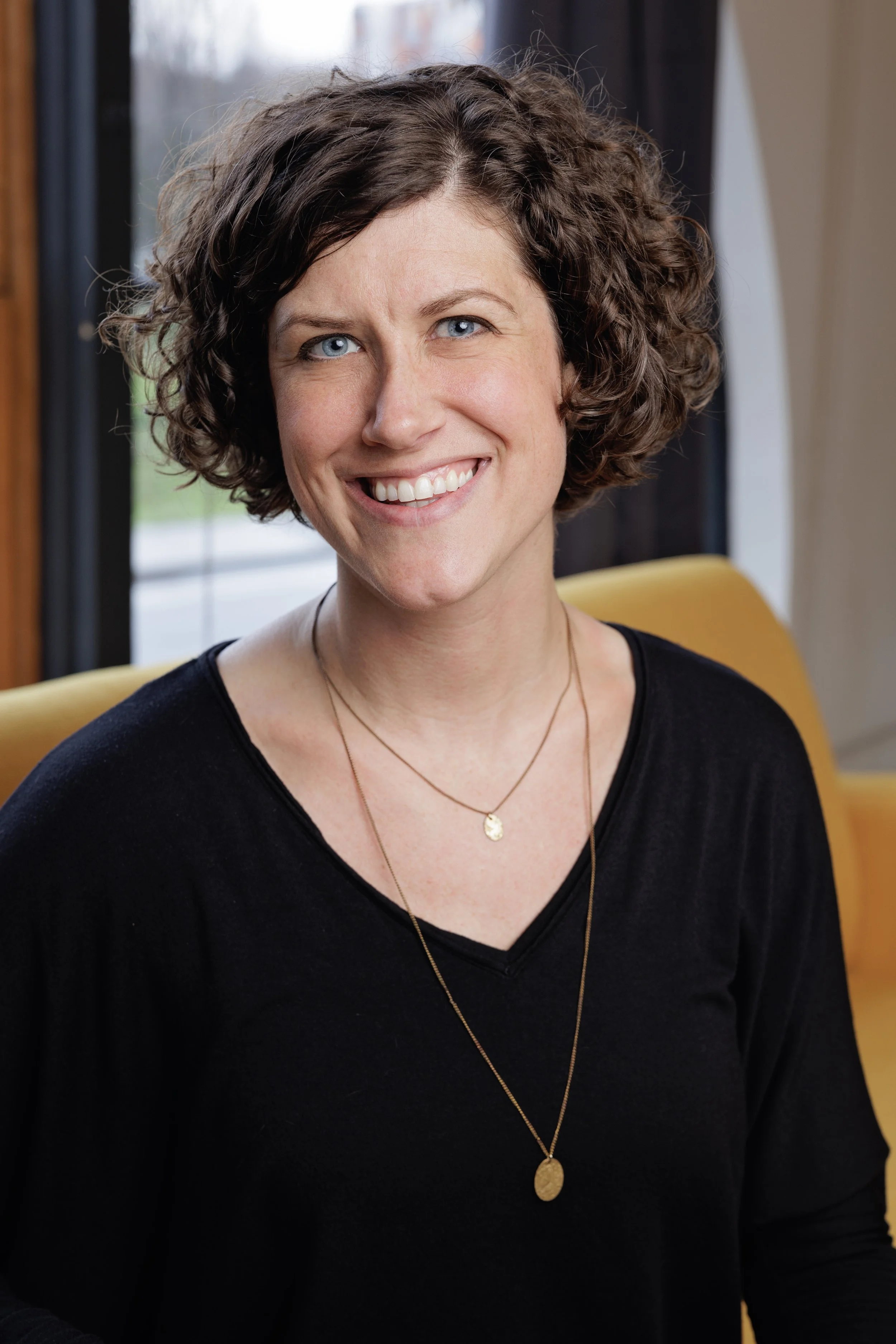
Carly Harrison, SVP of Real Estate, Albina Vision Trust, Carly@albinavision.org
Carly Harrison is the SVP of Real Estate at Albina Vision Trust (AVT), where she leads AVT’s real estate work across acquisitions, development, and asset management as the organization undertakes the restorative redevelopment of 94 acres in Portland’s Lower Albina district. With 15 years of experience in complex real estate development and finance, focused on housing and deeply sustainable development, she thrives on bringing bold, high-impact projects to life through innovative public-private partnerships. She cares deeply about not just the physical “hardware” of real estate but also the “software” - the programming, partnerships, and other ingredients that foster connection, belonging, and opportunity.
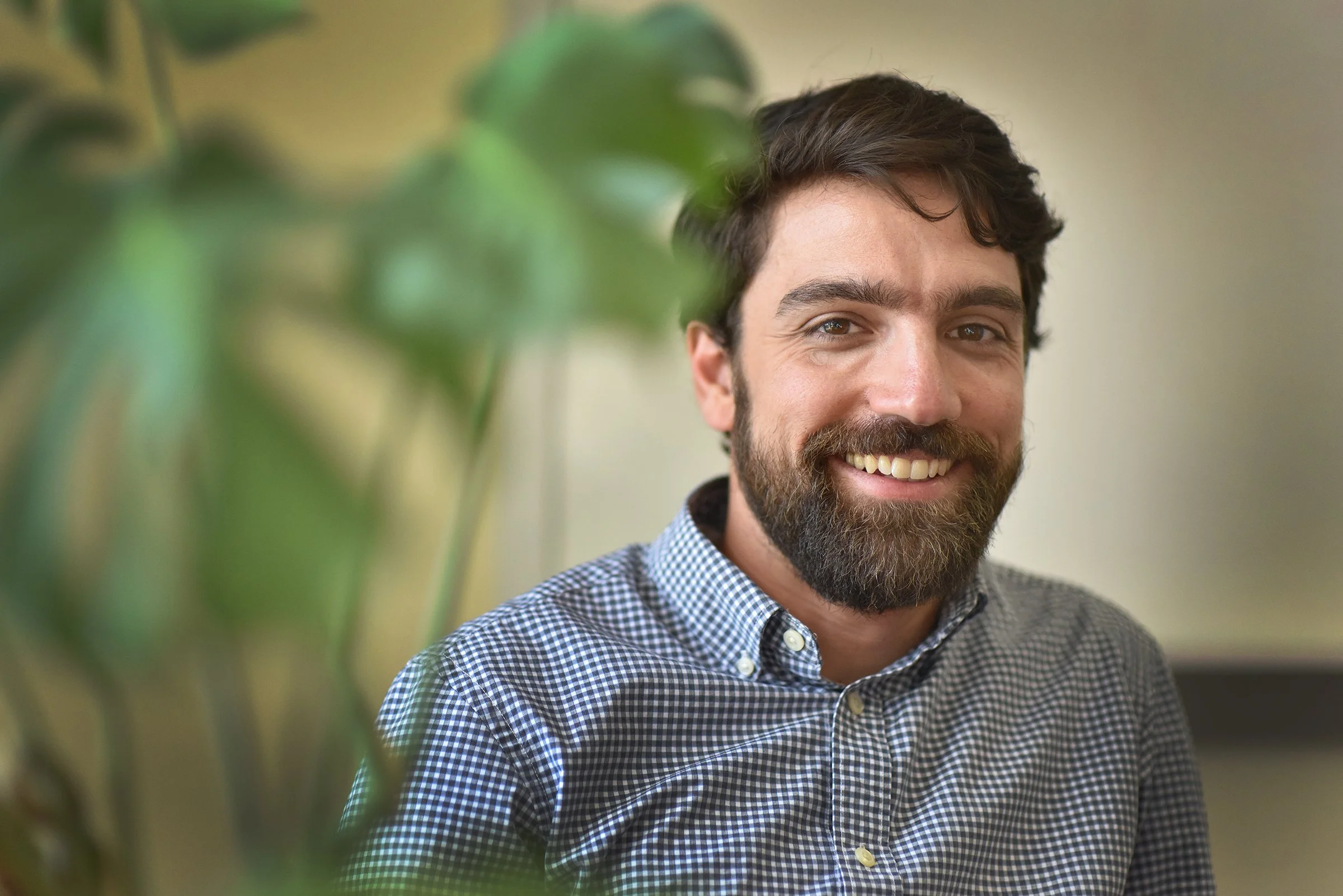
John Wasiutynski - Chief Sustainability Officer Multnomah Co. john.wasiutynski@multco.us
John Wasiutynski is the Multnomah County Office of Sustainability Director. The Office of Sustainability works with County departments and the community to promote programs and policies that lead to a more equitable, prosperous, and environmentally sound Multnomah County. Under John’s leadership, the Office created the first of a kind Climate Justice Plan, launched a clean energy finance program called PropertyFit Oregon, successfully advocated for stronger air quality regulations, and worked with the Board of County Commissioners to set the ambitious goal of transitioning the County to 100% renewable energy by 2050.
Before his current role, John served as a Senior Policy Analyst and Resource Conservation Coordinator for Multnomah County. John has also worked as a watershed planner for the city of Washington DC, and cleaning and greening community gardens in underserved neighborhoods in New York City with the New York Restoration Project. He holds a BS from Fordham University and a Master’s of Public Administration from American University.
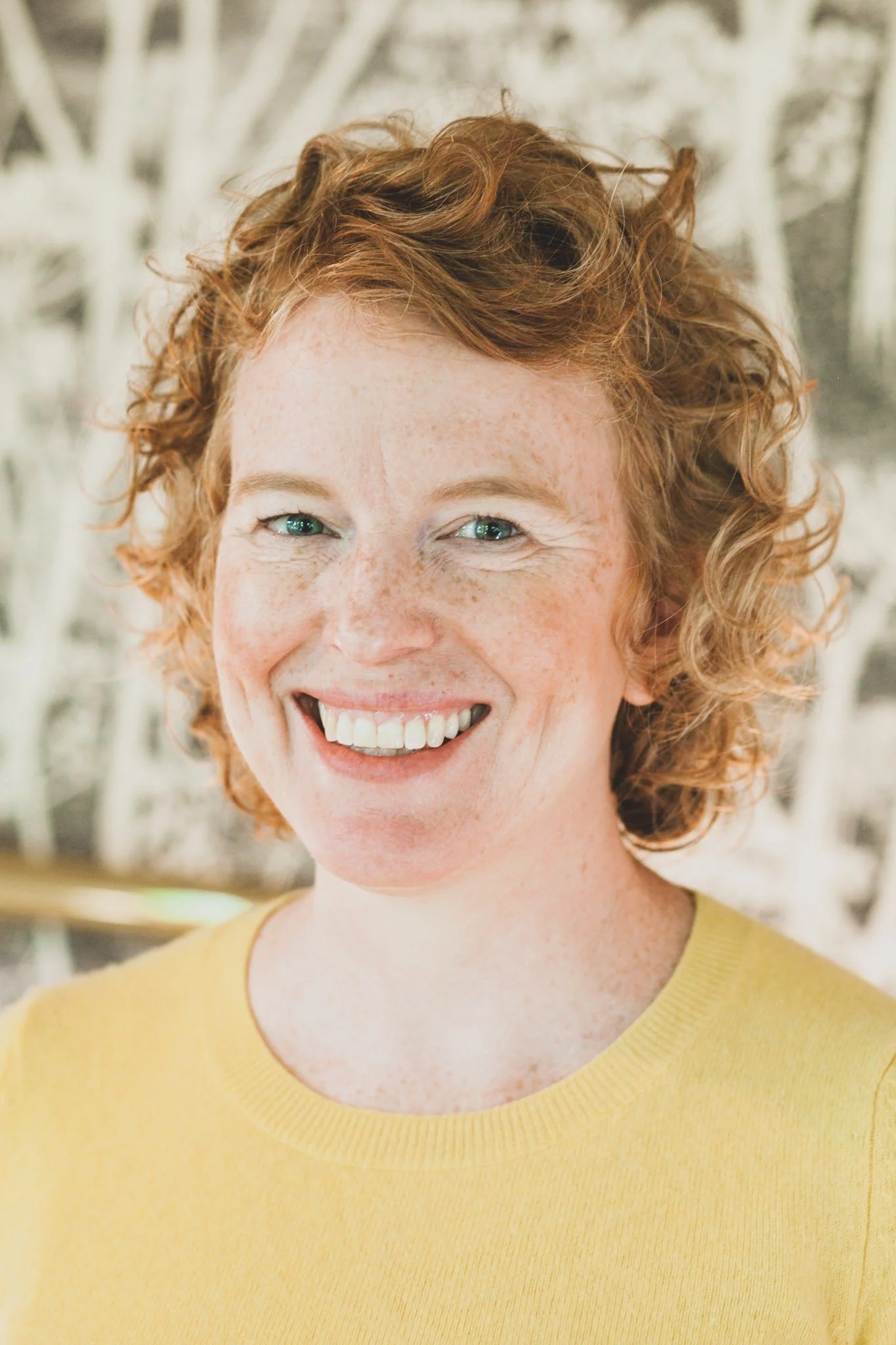
Jonna Papaefthimiou (she/her) State Resilience Officer, Office of Governor Tina Kotek jonna.papaefthimiou@oregon.gov
Jonna Papaefthimiou is the Oregon State Resilience Officer, advising Governor Tina Kotek on disaster resilience, emergency management, and long-term recovery. She previously worked for the City of Portland as an emergency manager and was the City’s first Chief Resilience Officer. Jonna has also worked as a land-use planner, mayoral advisor, and community organizer. She holds a Bachelor in Urban Studies and Master in City Planning from the Massachusetts Institute of Technology. She lives in her hometown, Portland, Oregon.
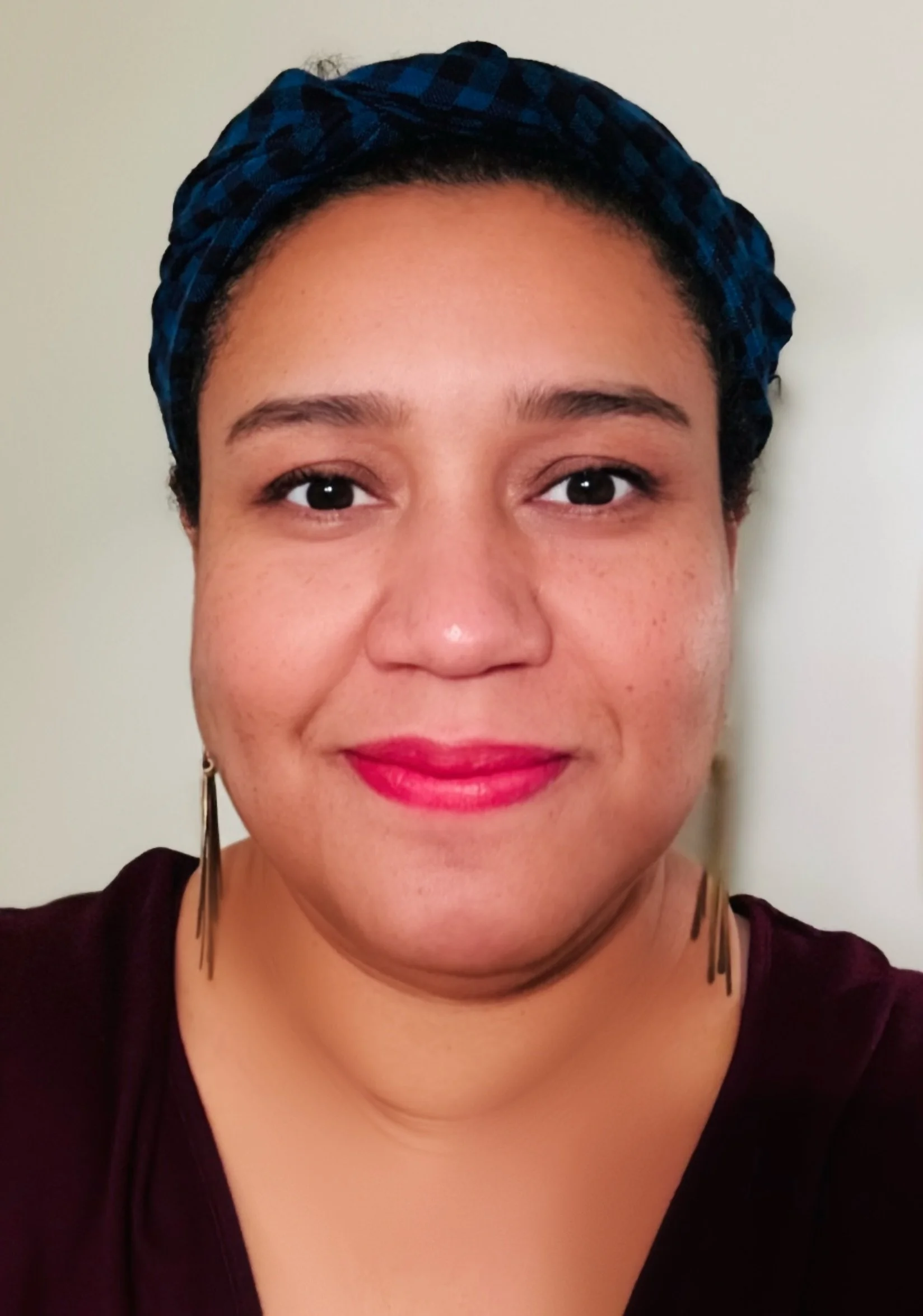
Chandra D Robinson AIA, NOMA, LEED GA, Chromatografica, llc chandra@chromatografica.com
Chandra is a licensed architect whose 20 years of practice have been dedicated to creating beautiful and welcoming spaces, accessible to everyone. A true creative partner to her clients, she translates their vision, values, and culture into tangible designs that work for real people.
With a design philosophy rooted in deep commitment to community engagement, care for others' lived experiences, and belief in the power of culturally expressive spaces, Chandra's project portfolio showcases her commitment to balancing innovation, sustainability, and cultural resonance. She has led her teams to win libraries, museums, art schools and affordable housing projects. Notably, Chandra has partnered with organizations in Portland, Oregon’s Black community to create meaningful and joyful projects.
A recognized expert in mass timber building technology and the integration of cultural narratives into design, Chandra is a trusted and respected voice in the industry. Her willingness to challenge the status quo and advocate for communities has led to significant professional recognition, including being honored by Architectural Record as one of the 2025 Top Women in Architecture, for her important contributions to design innovation.
Beyond her practice, Chandra is a dedicated civic leader and intellectual contributor to the field. She has served on the Portland Design Commission since 2019 and is the Vice President of the Oregon Black Pioneers. Her intellectual foundation is informed by her thesis on Soft Space – the experiential, temporal, and imagined qualities of environment that create space. Qualities like temperature, color, energy, and sightlines continue to be central elements of experimentation and exploration in her work today.
Moderator
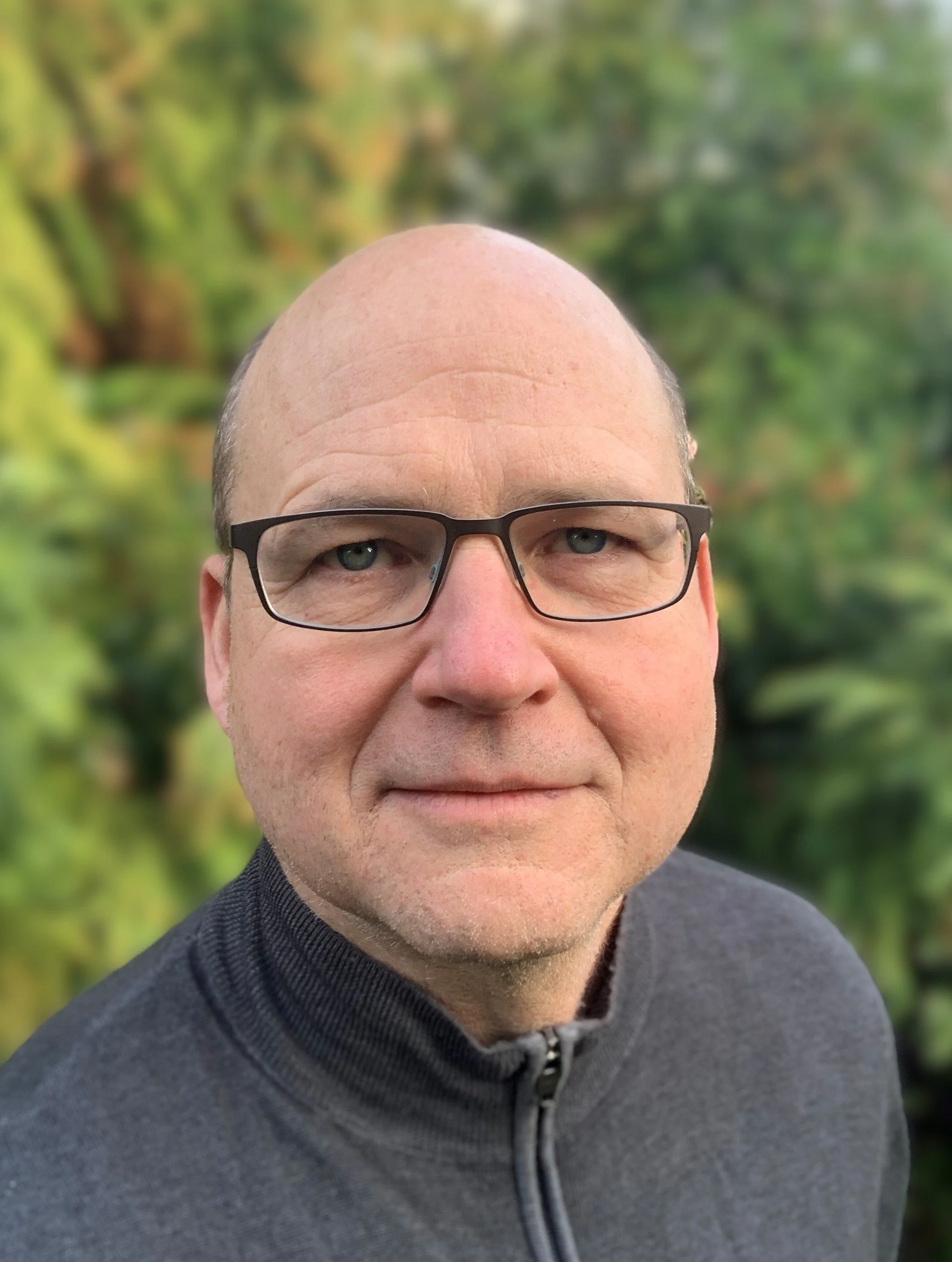
Charles Kelley, AIA LEED AP BD+C, Green Urban Design LLC Charles.Kelley@Greenurbandesign.com
Charles Kelley is a senior architect and urban designer with more than 38 years of experience. He brings an interdisciplinary design approach to integrate community aspirations, natural resources, and financial assets. This design attitude crystallizes consensus for communities who desire projects that connect high performance buildings and open space across a campus or district. As ZGF Architects’ EcoDistrict and urban design initiative lead in the US and international markets, he applied the firm’s research and experience through his design and facilitation skills. Charles brings the value of integrated design at a district scale to leverage multiple objectives across mobility, watershed, energy, water, land use, and open space systems that create vital and enduring community-oriented projects. Charles created a new company Urban Design LLC (GUD), as a platform to use district scale design that promotes community resilience.